

Find Your Kids Activity
Find Your Kids Activity
Your search results
10 Meaningful Remembrance Day Activities for Kids
Looking for Remembrance Day activities for kids that are educational, creative and suitable for different ages? Whether you’re a parent, teacher, childminder or children’s activity provider, there are plenty of thoughtful ways to help children understand the importance of remembrance.
Every year on 11 November, people across the UK mark Remembrance Day to remember those who have served and sacrificed their lives in conflicts. The day is also an opportunity to reflect on peace, kindness and the importance of remembering history.
From poppy crafts and colouring activities to storytelling and moments of reflection, we’ve put together 10 meaningful Remembrance Day activities for children that can be enjoyed at home, in schools, nurseries and children’s clubs.
At Club Hub UK, we love sharing creative and educational activities that help children learn, develop new skills and explore the world around them.
In this article:
-
Make Paper Poppies for Remembrance Day
-
Create Remembrance Day Poppy Paintings
-
Make a Remembrance Day Wreath
-
Read Children’s Books About Remembrance and Peace
-
Create Remembrance Day Colouring Pages
-
Observe a Two-Minute Silence
-
Make Peace Doves and Kindness Cards
-
Explore Remembrance Day Through Music and Poetry
-
Visit a Local War Memorial
-
Create a Remembrance and Peace Display
When Is Remembrance Day 2026?
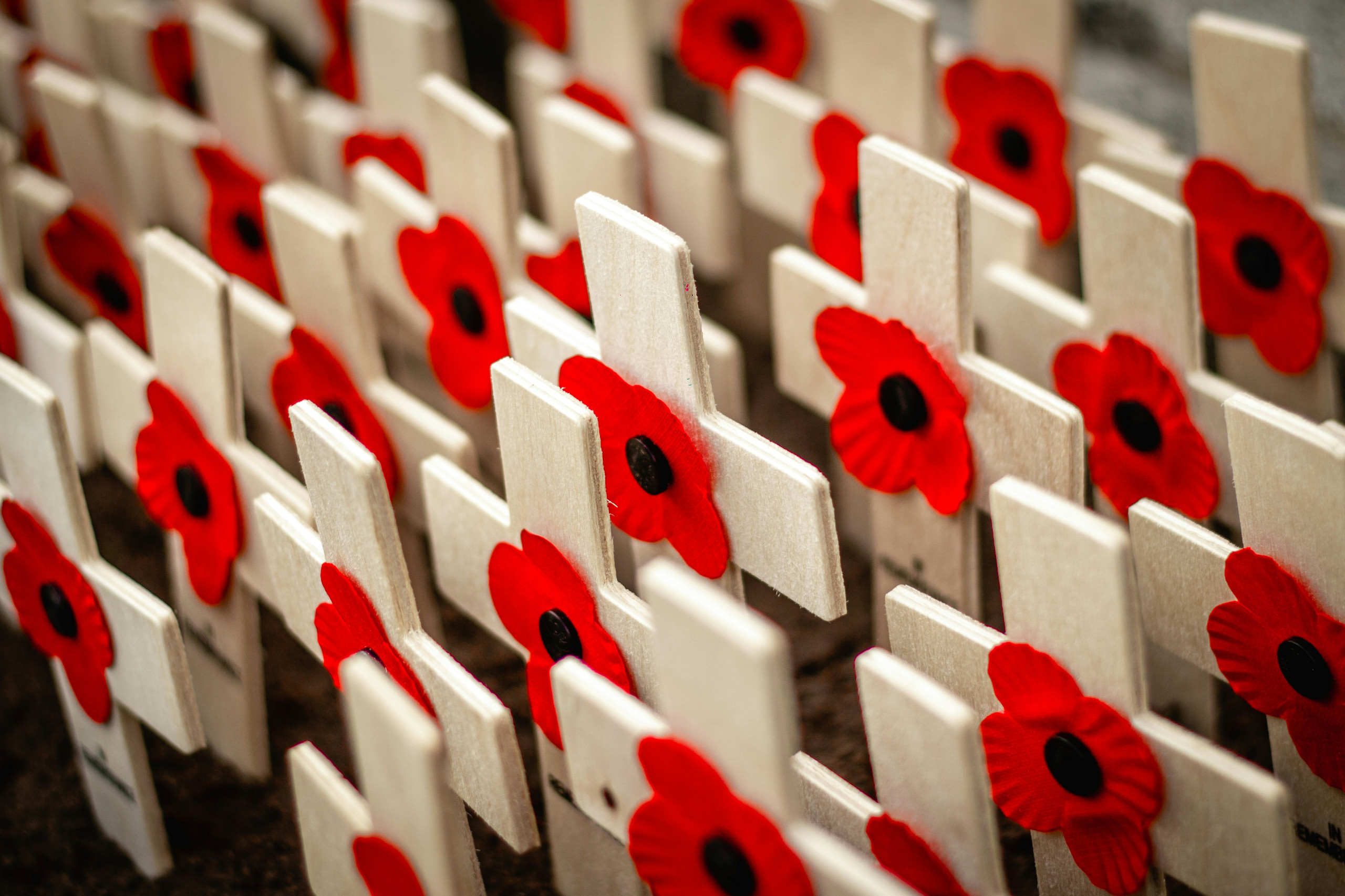
Remembrance Day takes place every year on 11 November. In 2026, it falls on Wednesday 11 November.
Remembrance Sunday will take place on Sunday 8 November 2026.
Across the UK, communities hold remembrance services, wear poppies and observe a two-minute silence at 11am on 11 November.
For younger children, Remembrance Day can be introduced gently through simple explanations about remembering people who have helped others, showing gratitude and understanding the importance of peace.
1. Make Paper Poppies for Remembrance Day
One of the most popular Remembrance Day crafts for kids is making paper poppies.
The red poppy is a well-known symbol of remembrance in the UK, inspired by the flowers that grew on battlefields after the First World War.
Creating paper poppies is a simple, hands-on activity that can help children understand why people wear poppies in November.
You will need:
- Red paper or card.
- Black paper or buttons.
- Green paper or pipe cleaners.
- Child-safe scissors.
- Glue.
How to make paper poppies:
- Cut four rounded petals from red paper.
- Arrange the petals into a flower shape.
- Glue a black circle in the centre.
- Add a green stem if desired.
- Display your poppies in a window or on a classroom remembrance board.
For toddlers, adults can prepare the shapes beforehand, allowing little ones to enjoy sticking the pieces together.
This activity supports creativity, fine motor skills and conversations about remembrance.
2. Create Remembrance Day Poppy Paintings
Painting is another wonderful way to introduce Remembrance Day activities for toddlers and preschoolers.
Children can experiment with colours, shapes and textures while creating their own poppy artwork.
Try using:
- Finger painting to create red poppy petals.
- Potato printing to make flower shapes.
- Sponges to create poppy fields.
- Cotton buds to add small details.
- Watercolours to paint a peaceful landscape.
You could encourage older children to paint a field of poppies and discuss why these flowers became associated with remembrance.
For younger children, focus on exploring colours and creating artwork rather than explaining difficult historical events in detail.
If your child loves getting creative, discover more children’s arts and crafts activities on Club Hub UK.
3. Make a Remembrance Day Wreath
Creating a remembrance wreath is a meaningful group activity for nurseries, schools, children’s clubs and families.
Children can work together to make a wreath using handmade poppies, helping them learn about teamwork, respect and remembrance.
You will need:
- A cardboard circle.
- Red paper poppies.
- Green tissue paper.
- Glue.
- Ribbon.
How to make a poppy wreath:
- Cut a large circle from cardboard and remove the centre.
- Make several red paper poppies.
- Arrange the poppies around the cardboard ring.
- Add green tissue paper to represent leaves.
- Display the finished wreath somewhere appropriate.
You could also invite each child to contribute one poppy to a shared wreath.
For older children, explain how wreaths are laid at memorials during Remembrance Sunday services to honour those who have died.
4. Read Children’s Books About Remembrance and Peace
Storytelling is one of the most effective ways to introduce complex topics to younger children.
Reading age-appropriate books can help children understand remembrance, friendship, kindness and the importance of peace.
For younger children, choose gentle stories that focus on remembering others, helping people and resolving disagreements.
Older primary school children may be ready to explore books about the First World War, the Second World War and the experiences of people affected by conflict.
After reading, encourage children to discuss questions such as:
- Why is it important to remember people?
- What does peace mean to you?
- How can we show kindness to others?
- Why do people wear poppies?
These conversations can help children develop empathy, communication skills and historical understanding.
For more educational experiences, explore children’s activities and classes near you.
5. Create Remembrance Day Colouring Pages
Remembrance Day colouring activities for kids are ideal for toddlers, preschoolers and primary school children.
Colouring provides a calm and creative opportunity to reflect on the meaning of remembrance.
Popular Remembrance Day colouring ideas include:
- Red poppies.
- Poppy wreaths.
- Peace doves.
- Remembrance messages.
- Fields of poppies.
- The words “We Remember”.
Older children could design their own remembrance posters using drawings, messages and symbols of peace.
For younger children, simple poppy outlines are a great way to practise pencil control and develop fine motor skills.
You could display the finished artwork in your home, classroom or children’s activity centre.
6. Observe a Two-Minute Silence
One of the most meaningful Remembrance Day activities for children is taking part in a two-minute silence.
In the UK, a two-minute silence is traditionally observed at 11am on 11 November.
Before the silence, explain to children in an age-appropriate way that this is a time to remember people who have served and those who have lost their lives in wars and conflicts.
For younger children, you might say:
“We are going to have a quiet moment to remember people who helped protect others and to think about how important peace is.”
Children can choose to sit quietly, look at their handmade poppies or reflect on someone they would like to remember.
Very young children may find two minutes difficult, so keep the experience gentle and supportive rather than expecting perfect silence.
This activity encourages mindfulness, empathy and respect.
7. Make Peace Doves and Kindness Cards
Remembrance Day is also an opportunity to talk to children about the importance of peace.
Creating paper doves or kindness cards can help children explore these ideas in a positive and age-appropriate way.
Peace dove craft ideas:
- Cut dove shapes from white paper.
- Decorate them with drawings or messages.
- Write words such as “Peace”, “Hope” and “Kindness”.
- Create a classroom display featuring everyone’s artwork.
Children could also make kindness cards for family members, friends or people in their community.
Ask children to think about ways they can help make the world a kinder place.
This activity works particularly well in schools, nurseries and after-school clubs.
8. Explore Remembrance Day Through Music and Poetry
Music and poetry can provide a thoughtful way for children to explore remembrance.
For younger children, choose gentle songs about friendship, kindness and peace.
Older children may enjoy reading and discussing age-appropriate remembrance poems.
You could also encourage children to write their own short poems using words such as:
- Remember.
- Peace.
- Poppy.
- Hope.
- Kindness.
- Thank you.
A simple poetry activity could involve asking children to complete the sentence:
“Peace means…”
Children can then share their thoughts through words, drawings or a group display.
Music and poetry encourage creativity, emotional expression and communication.
If your child enjoys music and performance, discover music and performing arts activities for kids on Club Hub UK.
9. Visit a Local War Memorial
For older children, visiting a local war memorial can be an educational and meaningful Remembrance Day activity.
Many towns and villages across the UK have memorials dedicated to people who lost their lives during wars and conflicts.
A visit can help children understand that remembrance is an important part of their local community.
During your visit, you could:
- Look at the names recorded on the memorial.
- Discuss why memorials are created.
- Talk about the meaning of poppies and wreaths.
- Observe a local remembrance ceremony.
- Encourage children to ask respectful questions.
Parents and teachers can adapt conversations to suit children’s ages and understanding.
You could also research the history of your local memorial together afterwards.
Remember to check local arrangements before attending any Remembrance Sunday events.
10. Create a Remembrance and Peace Display
A collaborative remembrance display is a lovely way to bring together everything children have learned.
This activity is particularly suitable for primary schools, nurseries, community groups and children’s activity providers.
Ideas for a Remembrance Day display include:
- Handmade paper poppies.
- Children’s poppy paintings.
- Peace doves.
- Poems about remembrance.
- Kindness messages.
- A handmade remembrance wreath.
You could create a large poppy field using children’s artwork or design a remembrance tree with messages of peace written on paper leaves.
Encourage children to explain what their artwork represents and what they have learned.
A group display can help children feel proud of their contributions while reinforcing the importance of remembrance, kindness and community.
Remembrance Day Activities for Different Age Groups
When planning Remembrance Day activities for children, it’s important to consider their age and understanding.
Remembrance Day Activities for Toddlers (Ages 1–3)
For toddlers, focus on simple, creative activities rather than detailed explanations of war.
Suitable activities include finger painting poppies, sticking paper petals, sensory play using red materials and listening to gentle stories about kindness.
Remembrance Day Activities for Preschoolers (Ages 3–5)
Preschool children may enjoy making paper poppies, creating colouring pictures, decorating peace doves and joining simple group discussions about remembering people.
Keep explanations short, reassuring and positive.
Remembrance Day Activities for Primary School Children (Ages 5–11)
Primary school children can explore remembrance through wreath-making, poetry, history lessons, local memorial visits and age-appropriate discussions about the World Wars.
Encourage questions and focus on understanding remembrance, empathy and peace.
Discover More Children’s Activities with Club Hub UK

Remembrance Day provides a valuable opportunity to help children learn about history, kindness, gratitude and peace.
Whether you’re making paper poppies with toddlers, creating a classroom wreath or exploring local history with older children, these Remembrance Day activities for kids offer meaningful ways to learn and reflect together.
At Club Hub UK, we’re passionate about helping families discover educational, creative and exciting activities for children of all ages.
From arts and crafts workshops and drama classes to educational activities and local children’s clubs, there are plenty of opportunities for children to develop new interests and skills.
Looking for more activities to enjoy with your children?