

Find Your Kids Activity
Find Your Kids Activity
Your search results
How to Turn Restoring Old Family Photos Into a Fun Weekend History Project
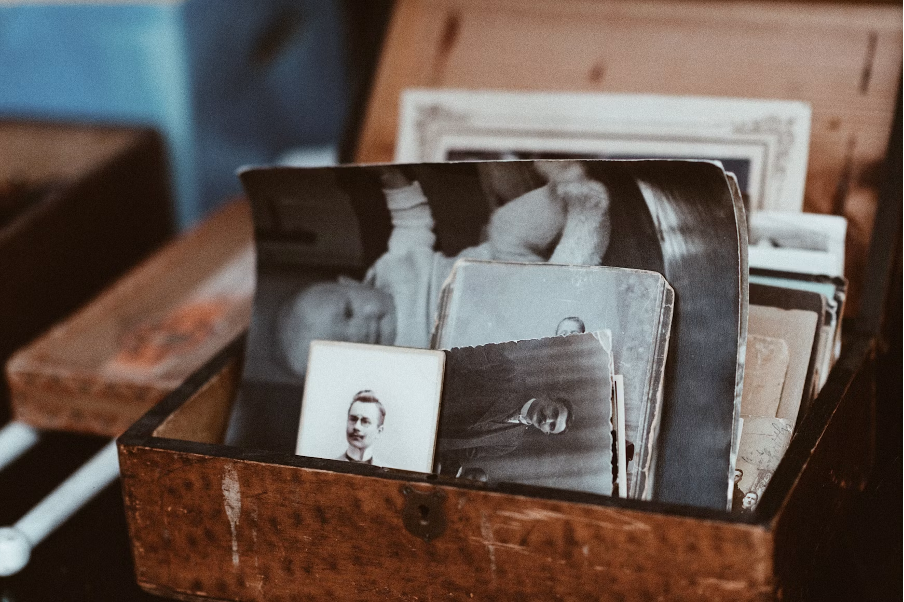
Each of us has a cardboard box tucked away in a dark corner of the attic or under the bed. Inside are hundreds of faded and cracked photographs. Some show people you’ll recognize. Others show a man with a huge mustache standing next to a car from the 1940s. You have no idea who he is.
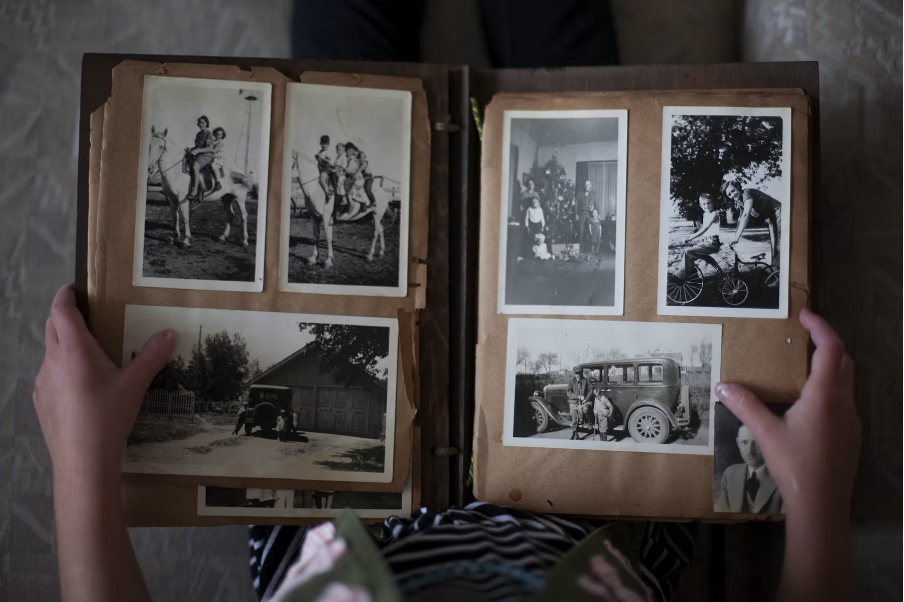
These photos are your family’s heritage. But right now, they are just clutter. They are slowly rotting away. If a pipe leaks or a fire starts, those memories vanish forever. That feels like a heavy thought, doesn’t it?
Here is the good news. You can turn it into the coolest weekend project ever. All you need is a couple of days, a bit of curiosity, and the right tools. Our mission this weekend is simple. We will find out the names of these people and make those old, blurry pictures look new again. Let’s get started!
Friday Night: The Treasure Hunt & Rescue
The project begins on Friday night. This is the “treasure hunt” phase. Order some food, clear off the dining room table, and get the whole family involved. If you have kids, tell them you are looking for “time travelers.”
Bring out every single old photo you can find. Do not just look in the attic. Check the backs of closets and look in those old sticky-page albums from the 1970s.
Once you have your pile, start the sorting process. Create three stacks:
- The Stars: These are the clear shots of ancestors.
- The Mysteries: These are the people or places you don’t recognize.
- The Damaged: These are the ones with big rips, water stains, or faded colors.
As you sort, do not use pens to write on the back of the photos. Ink can bleed through and ruin the image. Use a soft pencil if you need to write something. Better yet, use small sticky notes. By the end of Friday night, you should have your “Best Of” collection ready for the next step.
Saturday Morning: The Digital Magic
Saturday morning is when the real transformation happens. You need to get these physical prints into your computer. You can use a flatbed scanner for the best quality. If you do not have one, many smartphone apps can “scan” photos using your camera. Just make sure you have good, natural light. Avoid a flash, or you will get a big white glare on the glass.
Once the photos are on your computer, they might still look rough, be scratched, or full of “noise”. This is where you use photo restoration software to fix them. We recommend a program called PhotoGlory. The software uses smart technology to do the hard work for you. If you have a black-and-white photo of your great-grandmother, you can colorize it with one click. It also has tools to remove scratches and fold lines.
Saturday Afternoon: The Investigative Interview
Now that the photos look great, you need to solve the mysteries. Who is the man with the mustache? Why is Aunt Sue holding a goat in that 1952 picture? This is the heart of the weekend.
Pick up the phone or hop on a video call. Contact the oldest members of your family. Send them the digital files you just restored. Seeing those clear, colorful images will spark their memory in a way a blurry photo won’t.
Ask “open” questions. Don’t just ask, “Is this Grandpa?” Ask, “What do you remember about the day this was taken?” or “What color was the house in this picture?” Record the call if they let you. Their voices are just as important as the photos.
Take notes on every name, date, and location. This turns a simple picture into a story. Suddenly, that “mystery man” is Great Uncle Arthur who ran away to join the circus. That “old car” was the first thing your dad ever bought with his own money. This afternoon will be full of laughs and maybe tears.
Sunday: The Living Album Reveal
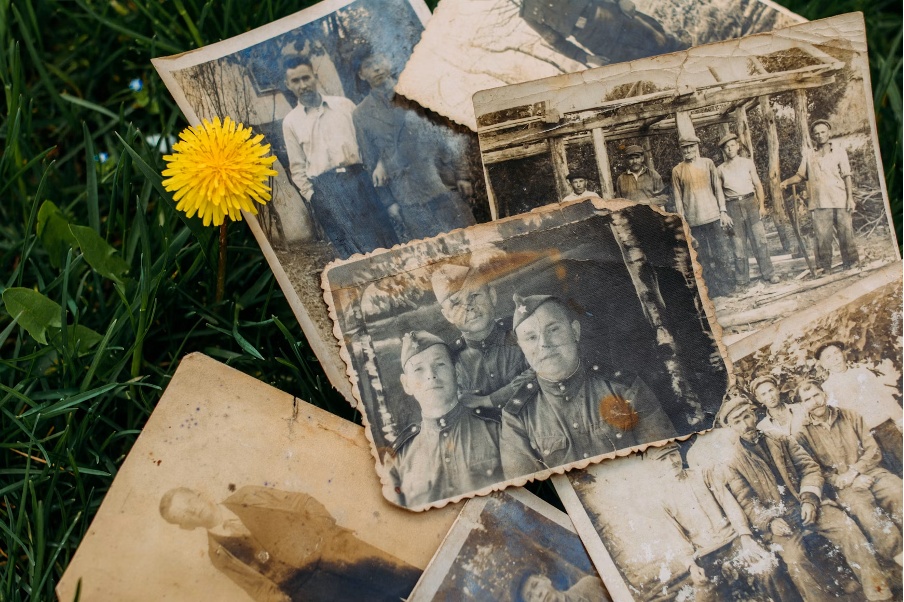
Sunday is all about the big finish. You have the restored photos and the stories. Now, you need to share them. A photo on a hard drive is safe, but a photo on a screen or a wall is alive.
Create a “Living Album.” You have a few choices here. You can make a digital slideshow with music or upload the photos to a private family group on any social media. You can even use an online service to print a high-quality coffee table book.
This is also the time to think about the future. Put the original physical photos into acid-free envelopes. Store them in a cool, dry place. Now that you have digital copies, you don’t need to touch the originals very often.
Key Takeaway: The Quick Start Guide
If you feel overwhelmed, just follow these three golden rules:
- Handle with care: Use gloves if you can. Old finger oils can damage the paper over time.
- Don’t over-edit: The goal is to make the photo look clear, not like a cartoon. Keep some of the “old” feel. It adds character.
- Back it up: Once you restore the photos, save them in two places. Use an external hard drive and a cloud service like Google Drive or iCloud.
Pro Tips for Better Results
- Light is key: When scanning, clean the glass of your scanner first. One tiny piece of dust can look like a giant white blob on a digital photo.
- The “Context” Rule: Don’t crop out the background. Sometimes the old signs in the street or the labels on the kitchen counter tell more about the era than the people do.
- Involve the kids: Let them help choose which photos to colorize first. It teaches them about their heritage without it feeling like a history lesson.
Conclusion
Restoring family photos isn’t just a weekend project; it’s a way to reconnect with your roots. Spend a few hours in the attic this weekend, and by Sunday, you’ll walk away with more than just an organized space – you’ll actually know where you came from.
Those faces are no longer strangers. They are your family. Now, thanks to a little bit of software and a few hours of your time, their stories will never be forgotten. So, go find that box. Your family history is waiting for you to bring it back to life.