

Find Your Kids Activity
Find Your Kids Activity
Your search results
Beach Days with a Toddler: What Actually Works
[Image source: Deposit photos]
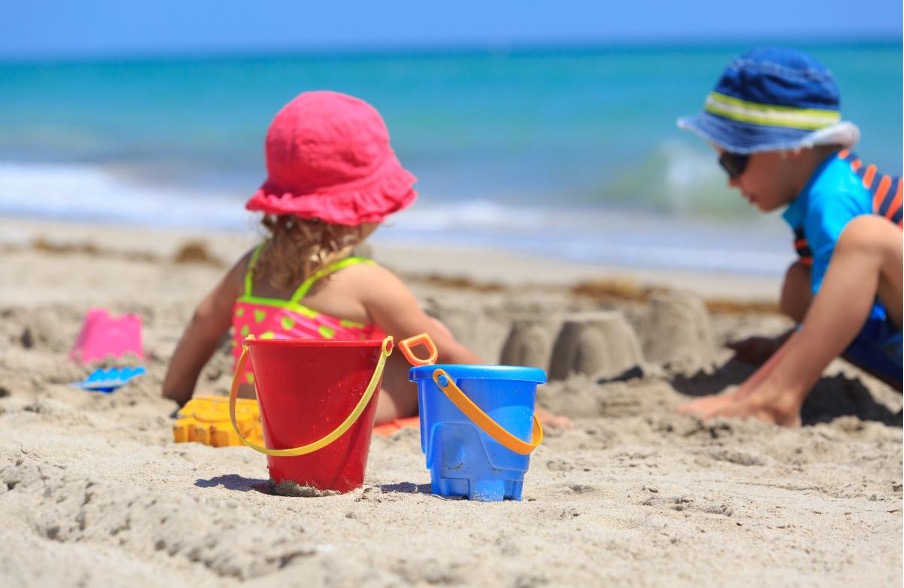
There’s something brilliant about taking a toddler to the seaside. Wide open space, soft sand, and the fact that everything feels new to them. But anyone who’s tried it knows there’s a fine line between a lovely family day out and a sandy, soggy, overtired meltdown. The good news is that with a bit of planning, the easy days far outnumber the tricky ones.
A trip to the beach is one of the simplest outdoor activities for kids you can give an under-3, and it costs next to nothing. This guide is for parents who want to plan a coastal day or a longer family break that genuinely works for the whole family. None of it’s complicated. It’s just the stuff that makes the difference between a day you remember fondly and a day you’re glad to be home from.
Pick your beach carefully
Not every beach is a toddler beach. Pebbles, steep drops to the water, fast tides and exposed cliffs can turn a day out into a constant safety patrol. What you’re after is the opposite of that.
The best beaches for under-3s tend to share a few things in common:
- Soft, flat sand that’s easy to walk and dig in
- Gentle dunes or natural shelter from wind
- Lifeguards on duty during the season
- Public toilets and somewhere to change a nappy
- Easy parking that doesn’t involve a long, sandy walk to set up
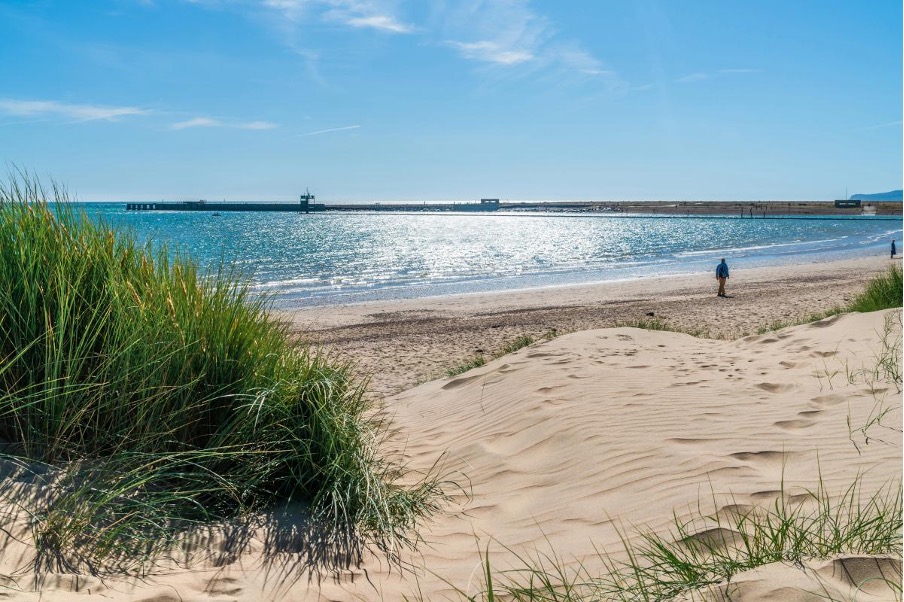
Camber Sands in East Sussex is a good worked example. The sand is wide and flat, the dunes are gentle enough for small legs, and the RNLI patrols the main beach during the summer season. The local team at Beside The Sea Holidays have put together a parents’ guide to Camber Sands with toddlers that covers the practicalities, including which car park to head for, lifeguard patrol dates, and how the tides behave. Wherever you’re going, the RNLI lifeguarded beaches finder is worth a quick check before you set off.
[Image source: Deposit photos]
The tide check matters more than people think
This is the bit parents most often skip, and it’s the bit that makes the biggest difference. Flat, open beaches can look calm and easy, but the tide can come in surprisingly quickly across wide sand, and what was a long flat playground at low tide can change shape fast.
Two minutes on a tide forecast before you leave the house is worth its weight in gold. Set a phone alarm for around the time you’ll want to be packing up, stay back from the water’s edge once it starts turning, and avoid wandering out onto sandbanks if the water’s coming in. None of this is about being scared of the beach. It’s about being a bit ahead of the day rather than reacting to it.
Carrier over buggy, every time
If you take one piece of practical advice from this whole guide, take this one. Soft sand swallows buggy wheels. Dunes can be even worse. You’ll end up carrying both the buggy and the toddler, and that’s no one’s idea of a good morning.
A carrier or sling is far easier across sand and dunes, keeps your hands free, and lets your toddler walk on the flat bits and ride for the harder bits. If you’ve got the option, leave the buggy in the car.
The packing list that actually works
Toddler beach kit isn’t about packing more, it’s about packing the right things. Here’s what we’d put in the bag:
- Sun cream (SPF 50) and a wide-brim hat
- UV suit or rash vest for water play
- A windproof layer, even on warm days
- Portable changing mat, nappies, wipes and nappy bags
- Spare clothes (more than you think)
- A bottle of water for rinsing sandy faces and feet
- Snacks, and then more snacks
- A pop-up shelter or simple windbreak
- Bucket, spade, maybe a small ball
Sun protection deserves its own line. The Met Office UV and sun health advice is worth a quick read before the season starts. UV in the UK can be high from April through September, even on cloudy days, and sand reflects more of it than people realise.
Timing the day
Toddlers and timing are basically the same thing. Get the timing right and the rest of the day usually falls into place.
The most useful rule we know is: arrive earlier than feels reasonable. Before 10am in summer is ideal. The car parks are calmer, the sand’s cooler, and your toddler hasn’t hit the wall that comes with an hour of waiting around. An early start buys you a relaxed couple of hours of beach time, which is plenty at this age.
Most under-3s are happily exhausted by late morning, which is exactly when you want to be heading back. If you’re staying nearby, this is where a base close to the beach earns its keep: a quick nap, a proper lunch, and a slower afternoon tends to work far better than trying to do a full day on the sand. A short second visit to the dunes once everyone’s rested is often easier than one long stretch.
When the weather turns
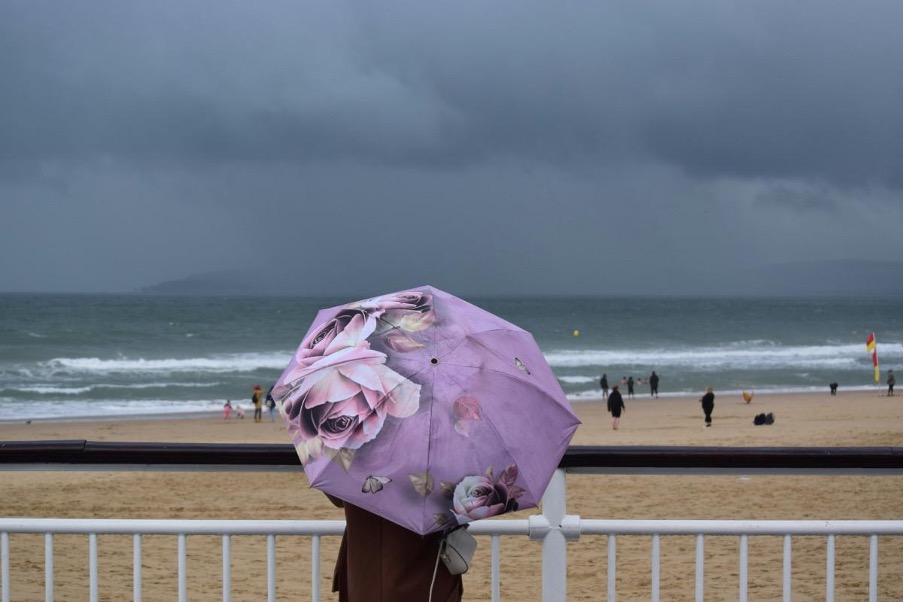
This being the UK, you’ll want a Plan B. The good news is that a coastal trip with a toddler doesn’t really need the weather to be perfect. Some of the best moments are dune stomps in waterproofs and watching the sea from a warm cafe window.
[Image source: Oskar Młodziński on Unsplash]
Quick rainy-day options:
- Nearby market towns with covered streets and toddler-friendly cafes
- Local museums and heritage centres with hands-on bits for small children
- Nature reserves with flat, well-surfaced paths that work in most weather
- Soft play centres for when you just need somewhere warm and bouncy
- Back at the accommodation with books, blocks and a baking session
For broader inspiration around your trip, Club Hub’s roundup of memorable UK family days out has plenty of ideas that work alongside a beach day.
Making it work
Beach days with a toddler aren’t about doing everything. They’re about getting the basics right and then letting the day breathe. Pick the right beach, check the tide and bring a carrier, not a buggy. Arrive early, plan around the nap, and keep a soft Plan B in your back pocket for when the weather has other ideas.
Get those bits sorted and the rest, the digging, the wobble-running, the salty hair and sandy sandwiches, takes care of itself.