

Find Your Kids Activity
Find Your Kids Activity
Your search results
7 Meaningful Anti-Bullying Activities for Kids
Looking for anti bullying activities for kids that encourage kindness, friendship and respect? Whether you’re a parent, teacher, nursery practitioner or children’s activity provider, there are plenty of creative ways to help children understand bullying and learn how to treat others with kindness.
Bullying can affect children’s confidence, friendships and emotional wellbeing. Helping children recognise unkind behaviour, celebrate differences and develop positive relationships is an important part of growing up.
From kindness crafts and friendship games to role-play and teamwork challenges, we’ve put together 7 meaningful anti-bullying activities for kids that can be enjoyed at home, in schools, nurseries and children’s clubs.
At Club Hub UK, we’re passionate about helping children build confidence, make friends and develop important life skills through exciting activities and experiences.
In this article:
-
Create a Kindness Jar
-
Play Friendship and Teamwork Games
-
Use Role-Play to Explore Bullying and Kindness
-
Make a Friendship Tree
-
Celebrate Differences with Odd Socks Activities
-
Create Positive Affirmation Posters
-
Read Stories About Friendship and Bullying
What Is Anti-Bullying Week?
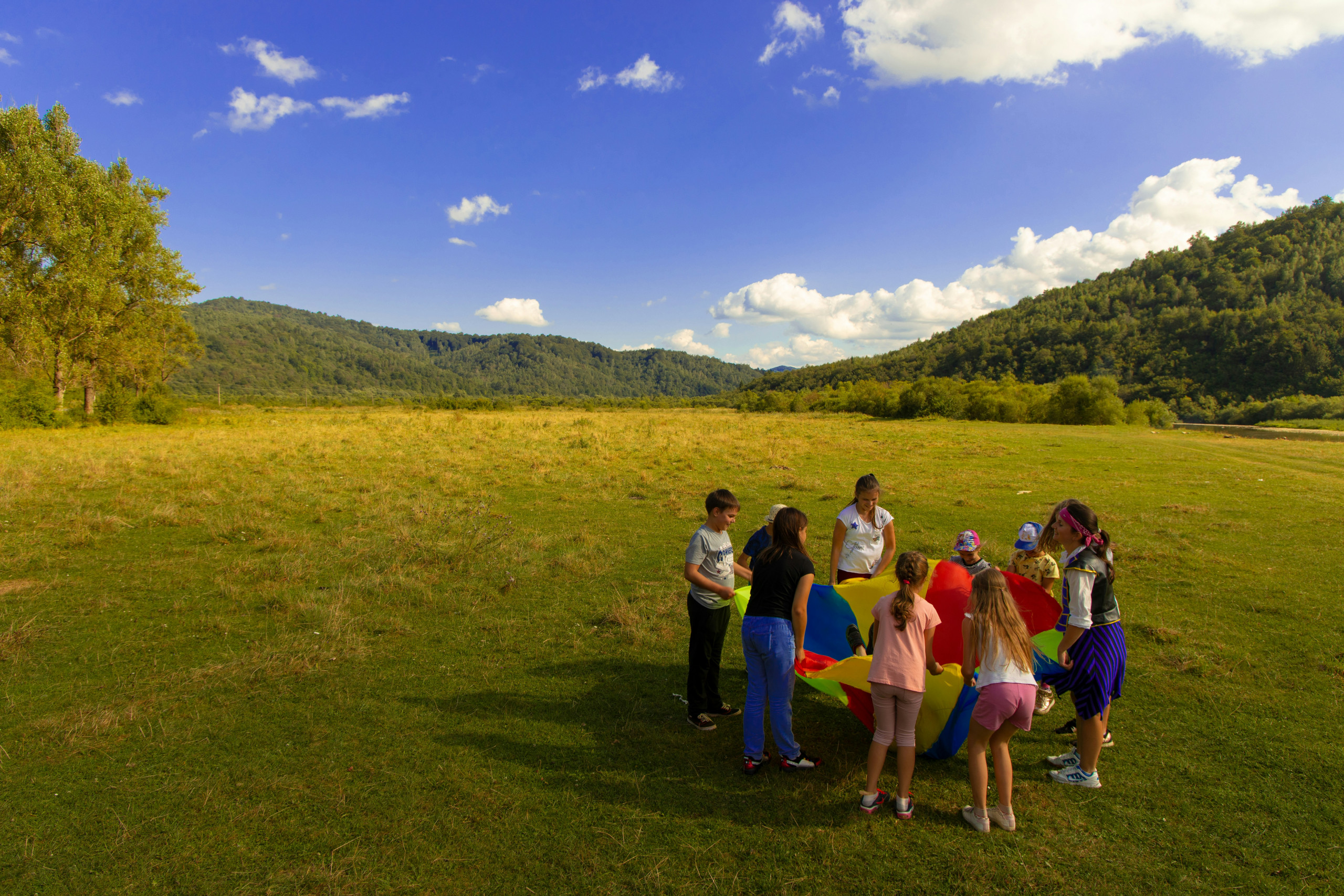
Anti-Bullying Week is an annual UK campaign that encourages schools, families and communities to raise awareness of bullying and promote kindness, respect and inclusion.
Organised by the Anti-Bullying Alliance in England, the campaign provides opportunities for children to learn about bullying, celebrate their differences and understand how to support one another.
Many schools also take part in Odd Socks Day, encouraging children to celebrate what makes everyone unique.
For the latest campaign dates, themes and educational resources, visit the Anti-Bullying Alliance website.
You don’t have to wait until Anti-Bullying Week to introduce these activities. They can help children develop positive friendships throughout the year.
1. Create a Kindness Jar
One of the simplest anti-bullying activities for kids is creating a kindness jar.
This activity encourages children to think about how their words and actions can positively affect others.
You will need:
- A jar or decorated container.
- Coloured paper.
- Pens or pencils.
- Stickers or craft materials.
How to make a kindness jar:
- Decorate a jar with colourful paper and stickers.
- Cut small pieces of paper.
- Ask children to write or draw kind actions.
- Place the ideas inside the jar.
- Choose a kindness challenge each day.
Kindness ideas could include:
- Invite someone new to join a game.
- Give someone a compliment.
- Help a friend who is struggling.
- Share something with another child.
- Say thank you to someone.
- Make someone smile.
Children can also add notes when they notice someone doing something kind.
This activity helps develop empathy, emotional awareness and positive relationships.
For younger children, adults can write down their ideas or encourage them to draw pictures.
2. Play Friendship and Teamwork Games
Friendship games are a fantastic way to encourage cooperation, communication and inclusion.
Rather than focusing on winning, these activities encourage children to work together towards a shared goal.
Fun teamwork activities include:
- Building a tower together using blocks.
- Completing a group obstacle course.
- Creating a large collaborative painting.
- Passing a ball around a circle without dropping it.
- Working together to solve a puzzle.
- Creating a group story where everyone contributes.
After the activity, encourage children to discuss how they worked together.
You could ask:
- How did you help your teammates?
- What made everyone feel included?
- How did you solve disagreements?
- What could you do if someone felt left out?
Teamwork games help children practise listening, sharing, patience and problem-solving.
They’re also fantastic for helping children make new friends.
If your child enjoys group activities, explore sports clubs and classes for kids on Club Hub UK.
3. Use Role-Play to Explore Bullying and Kindness
Role-play is one of the most effective anti-bullying activities for primary school children because it allows them to explore different situations in a safe and supportive environment.
Children can act out simple scenarios involving friendship, kindness and inclusion.
Role-play scenarios could include:
- Someone being left out of a playground game.
- A child feeling upset after an unkind comment.
- A new pupil joining a class.
- Friends disagreeing about what to play.
- Someone noticing another child being treated unfairly.
Ask children to think about what each person might be feeling and what a kind response could look like.
For example, if someone is being left out of a game, children could practise inviting them to join or asking a trusted adult for help.
Important: Avoid asking children to act out personal experiences of bullying or putting anyone in the role of a bully or victim. Use fictional characters or puppets instead.
Role-play helps children develop empathy, communication skills and confidence.
Drama classes are also a wonderful way for children to build confidence, express emotions and learn how to work with others.
Discover drama and performing arts classes for children through Club Hub UK.
4. Make a Friendship Tree
A friendship tree is a creative activity that encourages children to celebrate kindness, inclusion and positive relationships.
It’s particularly suitable for nurseries, primary schools and children’s activity clubs.
You will need:
- Large paper or cardboard.
- Coloured paper.
- Child-safe scissors.
- Glue.
- Pens or pencils.
How to make a friendship tree:
- Draw a large tree trunk and branches.
- Cut out colourful paper leaves.
- Ask children to write or draw something that makes a good friend.
- Attach the leaves to the tree.
- Display the finished friendship tree.
Ideas for friendship leaves include:
- Being kind.
- Listening to others.
- Sharing.
- Helping friends.
- Including everyone.
- Respecting differences.
- Saying sorry when you’ve hurt someone.
Encourage children to explain why they chose their words or pictures.
This activity helps children understand the qualities of positive friendships and encourages them to practise these behaviours in everyday life.
For younger children, use handprints instead of paper leaves to create a colourful friendship display.
5. Celebrate Differences with Odd Socks Activities
Odd Socks Day is a popular part of Anti-Bullying Week and encourages children to celebrate what makes everyone unique.
Wearing mismatched socks is a simple way to start conversations about individuality, acceptance and respect.
Fun Odd Socks Day activities include:
- Designing colourful odd socks on paper.
- Creating a classroom sock display.
- Decorating paper socks with different patterns.
- Playing a sock matching game.
- Discussing how everyone has different interests and abilities.
You could also ask children to share something that makes them unique.
For example, they might talk about their favourite hobby, a special talent or something they enjoy learning.
Remind children that differences should be respected and that nobody should feel pressured to share personal information.
For younger children, focus on recognising colours, patterns and the idea that everyone is different.
For older children, introduce conversations about inclusion, respect and why it’s important not to judge others.
If your child enjoys creative activities, discover arts and crafts activities for kids on Club Hub UK.
6. Create Positive Affirmation Posters
Positive affirmations can help children develop confidence and a more positive view of themselves.
Creating affirmation posters is a lovely anti-bullying activity for kids that combines creativity with emotional wellbeing.
You will need:
- Paper or card.
- Colouring pens.
- Stickers.
- Paint or craft materials.
Encourage children to decorate a poster with positive statements.
Examples include:
- I deserve to be treated with kindness.
- My voice matters.
- It’s okay to be different.
- I can ask for help.
- I am a good friend.
- Everyone deserves respect.
Children can display their posters at home, in classrooms or in activity centres.
You could also create a group display featuring positive messages about friendship and inclusion.
For younger children, adults can help write the statements while children decorate their posters.
This activity provides a gentle opportunity to discuss confidence, self-respect and asking for help.
It’s also important to remind children that experiencing bullying is never their responsibility and that trusted adults should help them feel safe.
7. Read Stories About Friendship and Bullying
Reading books together is a wonderful way to introduce conversations about bullying, kindness and friendship.
Stories allow children to explore difficult situations through fictional characters, making conversations feel less personal or overwhelming.
Choose age-appropriate books that explore themes such as:
- Making friends.
- Feeling left out.
- Being different.
- Standing up for others safely.
- Treating people with respect.
- Asking adults for help.
After reading, encourage children to discuss what happened in the story.
Questions to ask include:
- How do you think the character felt?
- What could their friends have done to help?
- Was anyone treated unfairly?
- Who could the character ask for help?
- How could the situation have been handled differently?
For older children, you could also discuss the difference between occasional disagreements and repeated bullying.
Explain that bullying can involve repeated hurtful behaviour and a real or perceived imbalance of power.
Children should know that if someone is being bullied, they can tell a trusted adult, even if they aren’t sure whether the behaviour counts as bullying.
Reading and storytelling encourage empathy, communication and emotional understanding.
Anti-Bullying Activities for Different Age Groups
Different activities work best depending on children’s ages and understanding.
Anti-Bullying Activities for Toddlers (Ages 1–3)
For toddlers, focus on simple kindness activities such as sharing games, taking turns, playing together and reading stories about friendship.
At this age, the emphasis should be on developing social and emotional skills rather than introducing complex explanations of bullying.
Anti-Bullying Activities for Preschoolers (Ages 3–5)
Preschool children may enjoy friendship trees, kindness jars, puppet role-play, colourful crafts and simple group games.
These activities help children practise cooperation, recognise emotions and understand how their actions affect others.
Anti-Bullying Activities for Primary School Children (Ages 5–11)
Older children can explore more detailed conversations about bullying, friendship, inclusion and respect.
Suitable activities include role-play scenarios, group discussions, positive affirmation posters, collaborative challenges and reading activities.
Primary school children can also learn about cyberbullying and the importance of staying safe online.
How Can Parents Help Prevent Bullying?
Alongside creative activities, parents and carers play an important role in helping children recognise bullying and feel confident asking for help.
Here are some helpful ways to support children:
- Encourage open conversations about friendships and school.
- Listen carefully if your child shares a concern.
- Help children recognise the difference between disagreements and bullying.
- Teach children to seek help from trusted adults.
- Encourage kindness and respect at home.
- Work with schools or activity providers if bullying occurs.
- Reassure children that they deserve to feel safe and supported.
If your child tells you they’re experiencing bullying, take their concerns seriously and work with the relevant school or organisation to address the situation.
Anti-bullying activities can encourage positive behaviour, but they should never replace appropriate safeguarding procedures or action when bullying is reported.
Frequently Asked Questions About Anti-Bullying Activities for Kids
What are the best anti-bullying activities for kids?
Some of the best anti-bullying activities for kids include kindness jars, friendship trees, teamwork games, role-play, Odd Socks Day crafts, positive affirmation posters and reading stories about friendship.
These activities encourage empathy, confidence, kindness and respect.
How do you explain bullying to a child?
Explain that bullying is behaviour that hurts, frightens or excludes someone, often repeatedly, and can involve one person having more power than another.
Use simple examples and remind children that they should always tell a trusted adult if someone is hurting or upsetting them.
What activities can schools do for Anti-Bullying Week?
Schools can organise Odd Socks Day, kindness challenges, friendship displays, group discussions, creative workshops and teamwork games.
Activities should promote inclusion and respect while supporting the school’s anti-bullying policies.
What anti-bullying activities are suitable for preschoolers?
Preschoolers can enjoy sharing games, friendship crafts, puppet stories, kindness activities and simple role-play.
Focus on helping children recognise emotions, practise taking turns and understand how to treat others kindly.
How can children’s activity clubs promote kindness?
Children’s activity providers can encourage positive relationships through teamwork games, inclusive activities, clear behaviour expectations and supportive communication.
It’s also important for clubs to have appropriate safeguarding and anti-bullying procedures in place.
Discover Confidence-Building Activities for Kids with Club Hub UK
Helping children develop confidence, kindness and positive friendships is an important part of growing up.
Whether you’re creating a friendship tree, playing teamwork games or exploring stories about kindness, these anti-bullying activities for kids offer meaningful ways to encourage empathy and inclusion.
At Club Hub UK, we believe children’s activities can provide wonderful opportunities to make friends, build confidence and develop important social skills.
From sports clubs and drama classes to creative workshops and after-school activities, there are plenty of opportunities for children to discover new interests and connect with others.
Looking for activities to help your child build confidence and make new friends?