

Find Your Kids Activity
Find Your Kids Activity
Your search results
Lower Back Pain in Pregnancy: Causes, Relief, and When to Get Help
One of the commonest physical problems experienced by pregnant women is lower back pain during pregnancy. The changes with respect to posture, the hormonal system, and the distribution of weight may cause considerable stress on the lower spine as the body adjusts to accommodate an increasing baby. Although this pain is a common side effect of pregnancy, knowing what causes it and how to deal with it may significantly contribute to the ease and comfort of everyday life.
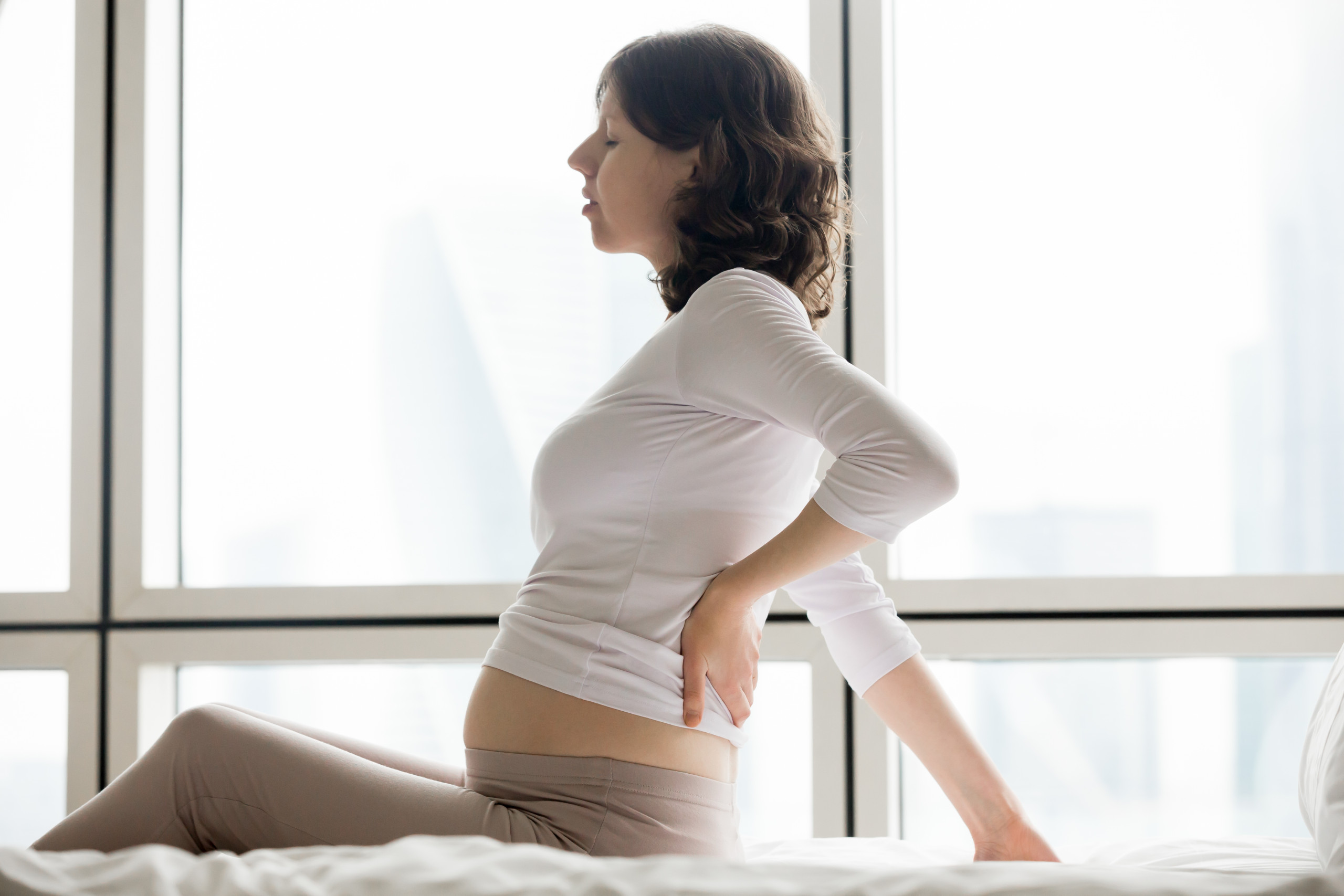
This paper describes the most prevalent causes of back pain during pregnancy, when the pain usually starts, the symptoms over the trimesters, the most effective methods of pain relief, the best poses to sleep in, and the possible symptoms that should not be overlooked and the best pregnancy belly band.
Lower Back Pain During Pregnancy: Common Causes
The pain in the lower back during pregnancy can hardly have one cause. In fact, it is normally caused by a combination of a number of physical and hormonal changes that overlap with each other.
Among the significant ones is weight gain and a change in the center of gravity. As the uterus swells, the belly becomes large and pulls the body forward thereby pushing the spine to balance it. Hormonal changes also cause muscles and joints due to this strain.
It is also caused by hormonal changes. Relaxin is a hormone that is produced by the body during pregnancy to relax the ligaments to allow the delivery of the child. Although required, the ligament relaxation decreases the stability of the joint particularly of the pelvis and lower spine, thus predisposing the back to pain.
The postural changes are also contributory. This is because many pregnant women instinctively bend backwards in an attempt to compensate for the bulging abdomen and this further enhances the natural curve of the lower spine. In the long run, this position may lead to muscle pains and exhaustion.
Core muscle stretching (such as abdominal muscle separation (diastasis recti) is another causative factor. With the corebody’s port becoming weak, the lower back has to do more work to hold the body balance and movement.
Last, but not least, back pain can be aggravated by stress and fatigue. Retends to make muscles become tight making the lower back area to be even more uncomfortable.
When Lower Back Pain Starts in Pregnancy
The onset of lower back pain may occur at various stages depending on the individual but it usually follows a predictable sequence.
Marginal discomfort is experienced by some women as early as the first trimester mostly associated with the hormone change and ligament weakening. Pain at this level is normally sporadic and can be containable.
In many, the pain in the lower back will be noticed during the second trimester usually starting between 20 and 24 weeks. The changes in the posture become more pronounced as the belly expands and puts additional pressure on the lumbar spine.
Lower back pain occurs during the third trimester most of the time and at its peak. Blistering development of the fetus, maximum weight gain, and enhanced laxity of the ligaments make the fetus’s perineum uncomfortable, particularly in standing, walking,and sleeping positions.
Lower Back Pain Pregnancy throughout trimester
The pain of the lower back may be experienced differently with the course of pregnancy:
- First trimester: Mild pains or stiffness, which may be associated with hormones and not weight.
- Second trimester: Growing discomfort due to change of posture and stretching of abdominal muscles.
- Third trimester: Pain is frequent, or constant and can even affect sleep and movement.
The early prevention of back pain by taking into consideration posture and the measures that will be considered to support it can lead to the minimization of back pain in the later part of pregnancy.
How to Relieve Lower Back Pain During Pregnancy
Although lower back pain is a widespread occurrence, it can be managed in a number of safe and effective ways.
Use Proper Support
The use of supportive pregnancy belly bands can assist in redistributing weight about the abdomen and minimize pressure on the lower back. One that is perfectly fitting can be a pregnancy belly band that can assist in the daily support of walking, standing, or domestic tasks.
Practice Gentle Exercise
Consistency of low intensity movement enhances the strength of the muscles and increases flexibility. Exercises that are useful are pelvic tilts, prenatal yoga and stretches. Such movements assist the spine and de-tense the muscles.
Maintain Good Posture
Proper sitting and standing are less straining. Shoulders straight, do not lock knees and sit on lumbar support. In lifting objects keep your knees bent instead of your waist.
Apply Heat or Cold
Warm compresses are useful in relaxing tight muscles whereas cold packs can be used to diminish inflammation. Use a cloth barrier to apply on the skin during short periods.
Choose Supportive Footwear
Also, flat supportive well-arch-supported shoes can help in overall alignment and reduce the amount of pressure that flows up the legs and to the lower back.
Consider Prenatal Massage
Prenatal massage should be done by a certified therapist to alleviate tension in the muscles of the lower back and hips and enhance blood flow.
Vitamins and Minerals for Additional SupportPrenatal vitamins support overall pregnancy health, while nutrients such as magnesium, calcium, vitamin D, and B vitamins also contribute to normal muscle, bone, and nerve function. But, before adding supplements for back pain, check what your prenatal already contains and speak with a pharmacist, GP, or midwife. A registered UK online pharmacy such as Curely can provide pharmacist guidance and access to vitamin supplements. Visit website to learn more.
Best Sleeping Positions for Lower Back Pain Pregnancy
When having back pain, sleep discomfort is also prevalent, but it is possible to make a difference in positioning.
Sleeping on one side, particularly on the left side is usually a good idea. This stand enhances blood circulation and decreases the pressure on the backbone.
Alignment can be enhanced with the use of pillows. Inserting a pillow in-between the knees assists in maintaining the level of the hips and adding another one underneath the abdomen may provide more support. A full-length pregnancy pillow is helpful to many women.
Lying flat on the back is not advised at all particularly after 20 weeks. This stance exacerbates back pain and it might disrupt circulation.
When to Call a Doctor for Lower Back Pain Pregnancy
Even though back pain at the lower levels is commonplace, some of the symptoms demand medical care.
Mention to your health care provider in case you are experiencing:
- Pain which is not relieved by rest and may even become severe or more acute.
- Pain with fever, pain on urination, pelvic pain.
- Radiating pain on the legs.
- Bloody vaginal discharge, vaginal leakage or frequent cramping.
- Abrupt movements in the fetus.
These symptoms can refer to such conditions like sciatica, kidney infection, or preterm labor and must be considered in the nearest future.
Conclusion
The back pain in the lower back during pregnancy is a normal and usually predictable aspect of the body accommodating pregnancy. Hormonal fluctuations, change of posture and augmented physical exertions are some of the factors that bring about discomfort especially as pregnancy advances. Luckily, the majority of cases may be treated using supporting tools, light exercise, correct positioning of sleep, and posture.
The knowledge on when backache is normal and when it is not will also enable future mothers to save their comfort and health during pregnancy.