

Find Your Kids Activity
Find Your Kids Activity
Your search results
How After-School Activities Help Children Develop Confidence
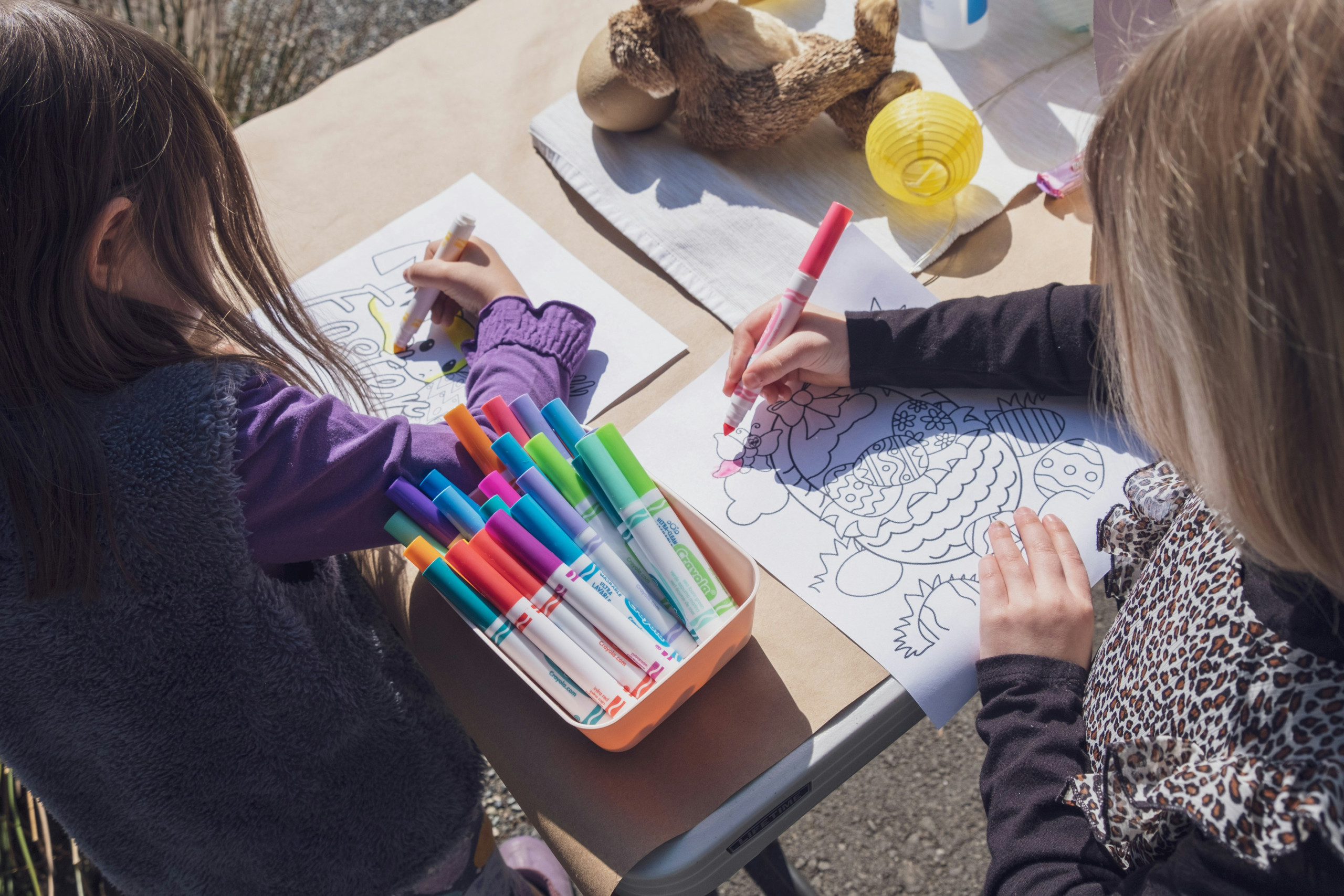
Photo by Alan Rodriguez on Unsplash
Children learn a great deal in the classroom, but some of the most meaningful growth happens outside of it. The hours after school offer valuable opportunities for young people to explore their interests, build friendships, and develop essential life skills. Whether it’s sports, creative arts, or academic clubs, structured activities provide a supportive environment where children can thrive in ways that go beyond textbooks.
For many families, choosing the right after-school experiences can feel overwhelming. Yet understanding how these activities contribute to a child’s emotional and social development makes that decision easier—and far more rewarding.
Why After-School Activities Matter
After-school time is more than just a gap between school and home life. It’s a window of opportunity where children can engage in experiences that shape their identity and confidence. Participating in after school activities for kids allows them to discover what they enjoy and where their strengths lie. At the same time, many families also reflect on academic support at home and ask questions like should parents help with homework, to find out how structured activities and guidance play a role in a child’s development.
These activities also provide a sense of structure and routine, which is especially beneficial for children who need consistency. Being part of a group or club gives them something to look forward to, helping them feel more motivated and engaged overall.
Perhaps most importantly, these environments are often less formal than school, giving children the freedom to express themselves more openly. This freedom plays a crucial role in building both confidence and social skills.
Building Confidence through Participation
Confidence doesn’t develop overnight—it grows through repeated experiences of trying, learning, and succeeding. After-school activities create a safe space where children can take risks without fear of failure.
Trying new things without pressure
In a classroom setting, children may feel judged or compared to others. After-school environments tend to be more relaxed, encouraging participation over perfection. Whether a child is learning a new sport or trying their hand at drama, they are given the chance to experiment and improve at their own pace.
This low-pressure environment helps children step outside their comfort zone. Each small achievement—mastering a skill, performing in front of others, or completing a project—builds a sense of accomplishment that strengthens their self-esteem.
Gaining a sense of achievement
Success in after-school activities doesn’t always come in the form of awards or recognition. Sometimes, it’s simply about finishing something they started or seeing personal progress over time. These moments of achievement help children develop a positive self-image. They begin to see themselves as capable and resilient, which carries over into other areas of life, including school and relationships.
Developing Strong Social Skills
Social interaction is a key part of childhood development, and after-school settings provide the perfect environment for it. Unlike the classroom, where interactions may be limited, these activities encourage collaboration and communication.
Learning to work in teams
Many extracurricular activities for children involve teamwork, whether it’s in sports, group projects, or performances. Working towards a common goal teaches children how to cooperate, share responsibilities, and support one another.
Through these experiences, children learn valuable skills such as listening, problem-solving, and compromise. They also begin to understand the importance of respecting different perspectives—an essential skill in both personal and professional life.
Making new friends
After-school programs often bring together children from different classes, schools, or backgrounds. This diversity helps children expand their social circles and learn how to connect with others who may not be like them.
Forming new friendships in these settings can boost confidence significantly. Children who feel socially connected are more likely to participate actively and express themselves without hesitation.
Encouraging Independence and Responsibility
After-school activities also play a crucial role in helping children become more independent. When they participate in structured programs, they learn to manage their time, follow instructions, and take responsibility for their actions.
Unlike at home or in school, where adults may closely guide their behavior, these environments often encourage children to make decisions on their own. Whether it’s choosing an activity, preparing for a session, or completing tasks independently, these experiences foster a sense of autonomy. This growing independence contributes to confidence, as children begin to trust their own abilities and judgment.
Supporting Emotional Well-Being
Children today face a variety of pressures, from academic expectations to social challenges. After-school activities provide an outlet where they can relax, have fun, and express themselves in healthy ways. Creative activities like art, music, or drama allow children to process emotions and communicate feelings they may not be able to put into words. Physical activities, on the other hand, help reduce stress and improve mood through movement and exercise.
Research also highlights the positive impact of structured activities on mental health. Studies show that children who participate in organised after-school activities often experience improved wellbeing, stronger social connections, and lower levels of stress. These benefits show that after-school engagement is not just about skill-building—it’s also about nurturing a child’s overall happiness and balance.
Creating a Sense of Belonging
Feeling like you belong is a fundamental human need, and this is especially true for children. After school clubs for kids offer a community where children can feel accepted and valued.
Being part of a group helps children develop a sense of identity. They begin to see themselves as members of a team, a club, or a community. This sense of belonging strengthens their confidence and encourages them to participate more actively. When children feel included, they are more likely to take initiative, share ideas, and support others—key elements of strong social development.
Exploring Interests and Talents
Every child is unique, and after-school activities provide the perfect opportunity to explore different interests. Whether it’s sports, coding, dance, or science, these programs allow children to discover what excites them.
Finding personal passions
Exposure to a variety of activities helps children identify their passions early on. This discovery process is essential for building confidence, as children feel more motivated when they are doing something they genuinely enjoy. When children are passionate about an activity, they are more likely to invest time and effort into it, leading to greater skill development and a stronger sense of achievement.
Developing lifelong skills
The skills children gain from these experiences often extend far beyond childhood. Communication, teamwork, leadership, and problem-solving are all valuable abilities that will benefit them in the future. Understanding the benefits of after school activities helps parents and caregivers make informed choices that support long-term development.
Strengthening Communication Skills
Effective communication is at the heart of strong social skills. After-school activities provide countless opportunities for children to practice expressing themselves clearly and confidently.
Whether they are discussing ideas in a group, giving instructions during a game, or performing in front of an audience, children learn how to articulate their thoughts and emotions. These experiences also teach children how to listen actively and respond appropriately—skills that are essential for building meaningful relationships.
The Lasting Impact of After-School Experiences
The impact of after-school activities extends far beyond childhood. The confidence and social skills developed during these formative years lay the foundation for future success. Children who participate in structured activities are often more adaptable, resilient, and self-assured. They are better equipped to handle challenges, build relationships, and navigate new environments.
More importantly, these experiences help children grow into well-rounded individuals who are not only academically capable but also emotionally and socially confident. By encouraging participation in enriching activities, families can give children the tools they need to succeed—not just in school, but in life.