

Find Your Kids Activity
Find Your Kids Activity
Your search results
8 Wonderful Wellbeing Activities for Kids
Looking for wellbeing activities for kids to help your children feel happy, confident and connected? Supporting children’s emotional, mental and physical wellbeing is an important part of helping them grow and develop.
From mindfulness and yoga to creative activities, outdoor adventures and confidence-building games, there are plenty of fun ways to encourage positive wellbeing habits from an early age.
Whether you’re a parent, teacher, nursery practitioner or children’s activity provider, these children’s wellbeing activities can be enjoyed at home, in schools, nurseries and after-school clubs.
At Club Hub UK, we’re passionate about helping families discover exciting activities that encourage children to stay active, make friends, build confidence and explore new interests.
In this article:
-
Practise Mindfulness and Breathing Exercises
-
Try Children’s Yoga and Gentle Movement
-
Get Creative with Arts and Crafts
-
Spend Time Outdoors and Explore Nature
-
Build Confidence Through Drama and Performing Arts
-
Create a Gratitude Jar
-
Enjoy Music, Singing and Dancing
-
Encourage Friendship and Teamwork Games
Here are 8 wonderful wellbeing activities for kids to try.
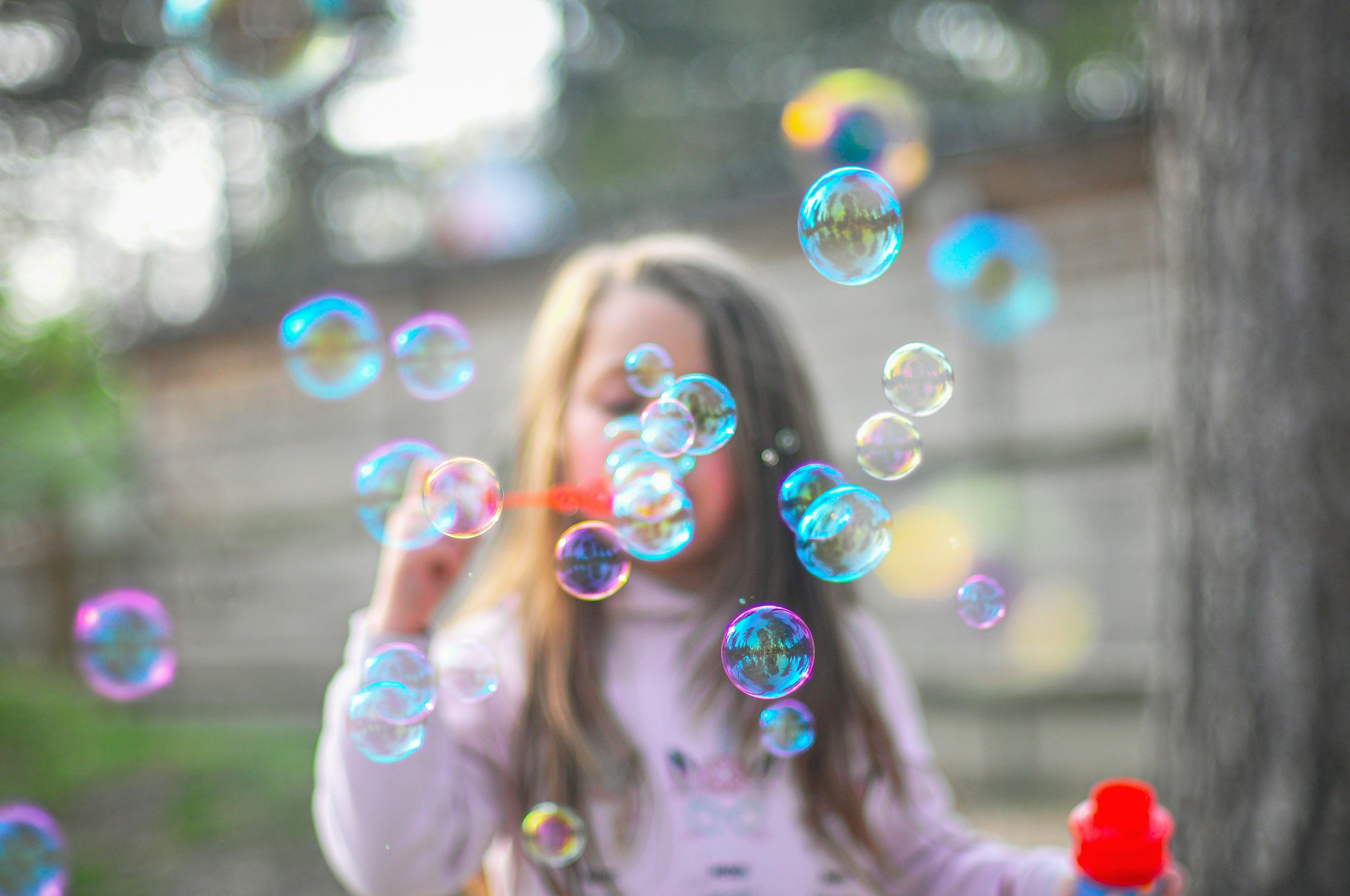
1. Practise Mindfulness and Breathing Exercises
Mindfulness is a simple way to help children slow down, notice their feelings and focus on the present moment.
Mindfulness activities for kids can be particularly helpful when children feel overwhelmed, worried or overstimulated.
One easy activity is balloon breathing.
How to practise balloon breathing:
- Ask your child to imagine they have a balloon in their tummy.
- Encourage them to breathe in slowly through their nose.
- Imagine the balloon gently filling with air.
- Breathe out slowly and imagine the balloon becoming smaller.
- Repeat a few times at a comfortable pace.
You could also try listening to calming music, noticing sounds in the garden or practising simple guided relaxation.
Mindfulness can help children develop emotional awareness, concentration and self-regulation skills.
Keep activities short and playful, particularly for younger children, and allow them to stop if they feel uncomfortable.
2. Try Children’s Yoga and Gentle Movement
Physical activity is a fantastic way to support children’s overall wellbeing.
Yoga combines gentle movement, stretching and breathing exercises, making it a popular choice for children of different ages.
Benefits of children’s yoga may include:
- Developing balance and coordination.
- Encouraging body awareness.
- Supporting flexibility.
- Building confidence.
- Creating opportunities for relaxation.
- Helping children practise concentration.
Younger children often enjoy yoga sessions based on animals, stories and imaginative adventures.
For example, they could stretch like a cat, stand tall like a tree or curl up like a sleeping mouse.
Older children may enjoy learning different poses and creating their own simple yoga sequences.
If your child enjoys movement, explore sports and physical activity classes for kids on Club Hub UK.
3. Get Creative with Arts and Crafts
Creative activities are a wonderful way for children to express themselves and explore their emotions.
Drawing, painting, modelling and crafting can provide opportunities for relaxation, concentration and imaginative play.
Fun creative wellbeing activities for kids include:
- Painting pictures inspired by different emotions.
- Making colourful friendship bracelets.
- Creating a happiness collage.
- Decorating a gratitude jar.
- Drawing a favourite place.
- Making cards for friends and family.
One lovely activity is creating a feelings picture.
Ask children to choose colours that represent how they’re feeling and use them to create a piece of artwork.
There are no right or wrong answers. The aim is to encourage creativity and provide an opportunity for children to express themselves.
Younger children may enjoy sensory painting or simple collage activities, while older children might prefer drawing, journalling or more detailed craft projects.
Discover arts and crafts activities for children through Club Hub UK.
4. Spend Time Outdoors and Explore Nature
Spending time outdoors provides children with opportunities to move, explore and connect with the natural world.
Whether it’s a walk through a local park, a woodland adventure or simply playing in the garden, outdoor activities can support physical and emotional wellbeing.
Outdoor wellbeing activities for children include:
- Going on a nature scavenger hunt.
- Exploring local parks and woodlands.
- Spotting birds and wildlife.
- Collecting fallen leaves.
- Taking photographs of nature.
- Gardening and planting seeds.
- Enjoying a family picnic.
You could also try a simple five-senses activity.
Ask children to notice:
- Five things they can see.
- Four things they can feel.
- Three things they can hear.
- Two things they can smell.
- One thing they can taste, using a safe snack brought from home.
This activity encourages children to slow down and pay attention to their surroundings.
For younger children, simplify the activity by asking them to spot different colours, shapes or sounds.
If your family enjoys exploring together, discover more outdoor activities and family adventures near you.
5. Build Confidence Through Drama and Performing Arts
Drama and performing arts provide children with opportunities to express themselves, develop confidence and connect with others.
Through storytelling, role-play, music and performance, children can explore different emotions and practise important communication skills.
Wellbeing benefits of performing arts activities may include:
- Building self-confidence.
- Encouraging creativity.
- Developing communication skills.
- Supporting teamwork.
- Helping children express emotions.
- Creating opportunities to make friends.
For younger children, imaginative role-play and storytelling games are a fantastic introduction.
Older children might enjoy drama workshops, musical theatre, singing or dance classes.
One simple activity is an emotions charades game.
Write different emotions on pieces of paper and ask children to act them out without speaking.
Other children can guess the emotion and discuss situations where someone might feel that way.
This encourages emotional awareness, empathy and communication.
Explore drama and performing arts activities for kids on Club Hub UK.
6. Create a Gratitude Jar
A gratitude jar is a simple emotional wellbeing activity for kids that encourages children to notice positive moments in their everyday lives.
It can be enjoyed individually or as a family activity.
You will need:
- A jar or container.
- Coloured paper.
- Pens or pencils.
- Stickers or decorations.
How to make a gratitude jar:
- Decorate a jar using colourful craft materials.
- Cut small pieces of paper.
- Encourage your child to write or draw something they’re grateful for.
- Place the paper inside the jar.
- Read the notes together at the end of the week.
Children might be grateful for spending time with family, playing with friends, enjoying their favourite activity or receiving a kind gesture.
For younger children, adults can help write down their ideas.
The aim isn’t to ignore difficult feelings but to create opportunities to notice positive experiences alongside them.
This activity can encourage reflection, communication and appreciation.
7. Enjoy Music, Singing and Dancing
Music can be a fantastic way for children to express themselves, explore different moods and enjoy movement.
From singing favourite songs to dancing around the living room, music activities can be fun, accessible and suitable for different ages.
Fun musical wellbeing activities include:
- Having a family dance party.
- Singing favourite songs together.
- Playing musical instruments.
- Creating homemade shakers.
- Exploring different rhythms.
- Listening to calming music.
- Making up a song about feelings.
You could also play a musical emotions game.
Choose different pieces of music and ask children how each one makes them feel.
Does the music sound happy, peaceful, exciting or dramatic?
Encourage children to express their answers through movement, facial expressions or drawings.
Music activities can support creativity, confidence, communication and social interaction.
If your child loves music, discover music, singing and dance classes for children on Club Hub UK.
8. Encourage Friendship and Teamwork Games
Positive friendships and a sense of belonging are important parts of children’s wellbeing.
Group activities provide opportunities for children to practise communication, cooperation and kindness while having fun.
Friendship and teamwork activities for kids include:
- Building a tower together.
- Completing a group puzzle.
- Creating a collaborative painting.
- Playing cooperative ball games.
- Taking part in team challenges.
- Making friendship bracelets.
- Creating a group story.
One fun activity is the compliment circle.
Ask children to sit in a circle and share something positive about another person, such as a kind action they’ve noticed.
Make participation optional and ensure every child feels included.
This activity can help children recognise positive qualities in themselves and others.
For children who find social situations challenging, smaller groups or structured activities may feel more comfortable.
Discover children’s clubs and activities near you to help your child explore new interests and connect with others.
Wellbeing Activities for Different Age Groups
Children’s wellbeing activities should be adapted to suit their age, interests and developmental stage.
Wellbeing Activities for Toddlers (Ages 1–3)
Toddlers benefit from simple, playful activities that encourage connection and exploration.
Suitable activities include sensory play, nursery rhymes, outdoor walks, movement games and creative painting.
Wellbeing Activities for Preschoolers (Ages 3–5)
Preschool children may enjoy simple yoga, feelings games, storytelling, arts and crafts, nature walks and group play.
These activities help children practise recognising emotions, taking turns and building friendships.
Wellbeing Activities for Primary School Children (Ages 5–11)
Older children can explore mindfulness, journalling, gratitude activities, drama workshops, sports, creative hobbies and teamwork challenges.
Encourage children to choose activities they genuinely enjoy rather than making wellbeing feel like another task.
Why Are Wellbeing Activities Important for Children?
Supporting children’s wellbeing involves helping them feel safe, valued, connected and able to express themselves.
Regular opportunities for play, creativity, movement and social interaction can contribute to healthy development.
Children’s wellbeing activities can help support:
- Emotional awareness: Recognising and expressing different feelings.
- Confidence: Trying new things and developing new skills.
- Social connections: Building friendships and positive relationships.
- Physical health: Encouraging movement and active play.
- Creativity: Exploring ideas and expressing individuality.
- Relaxation: Creating opportunities for calm and rest.
Every child is different, so the most beneficial activities will depend on their interests, preferences and individual needs.
Wellbeing activities can complement emotional support, but they aren’t a replacement for professional help when a child is experiencing ongoing mental health difficulties.
Frequently Asked Questions About Wellbeing Activities for Kids
What are the best wellbeing activities for kids?
Some of the best wellbeing activities for kids include mindfulness, yoga, arts and crafts, outdoor play, drama, music, gratitude activities and friendship games. The best choice depends on your child’s age, interests and preferences.
How can I improve my child’s emotional wellbeing?
Encourage open conversations, provide opportunities for play and relaxation, support positive friendships and spend quality time together. Activities such as creative arts, physical movement and mindfulness may also help.
What are some simple wellbeing activities for toddlers?
Simple wellbeing activities for toddlers include sensory play, nursery rhymes, outdoor walks, messy play, gentle movement and reading stories together.
What wellbeing activities can primary schools organise?
Primary schools can organise mindfulness sessions, creative workshops, sports activities, friendship games, outdoor learning, music sessions and collaborative projects.
How can children’s activity clubs support wellbeing?
Children’s activity clubs can support wellbeing by providing inclusive environments where children feel welcome, develop skills, build friendships and enjoy activities suited to their interests and abilities.
Discover More Wellbeing Activities for Kids with Club Hub UK
Supporting children’s wellbeing doesn’t have to involve complicated activities or expensive equipment.
From creative crafts and outdoor adventures to yoga, music and friendship games, there are so many wonderful wellbeing activities for kids that can become part of everyday family life.
At Club Hub UK, we believe children’s activities provide valuable opportunities to build confidence, discover new interests, stay active and make friends.
Whether you’re looking for sports clubs, creative workshops, toddler groups or after-school activities, our directory helps families discover exciting opportunities in their local area.
Ready to find an activity your child will love?