

Find Your Kids Activity
Find Your Kids Activity
Your search results
8 Spooktacular Halloween Science Activities for Kids
Looking for Halloween science activities that combine spooky fun with exciting learning opportunities? Halloween is the perfect time to introduce children to hands-on science experiments, creative STEM challenges and fascinating discoveries.
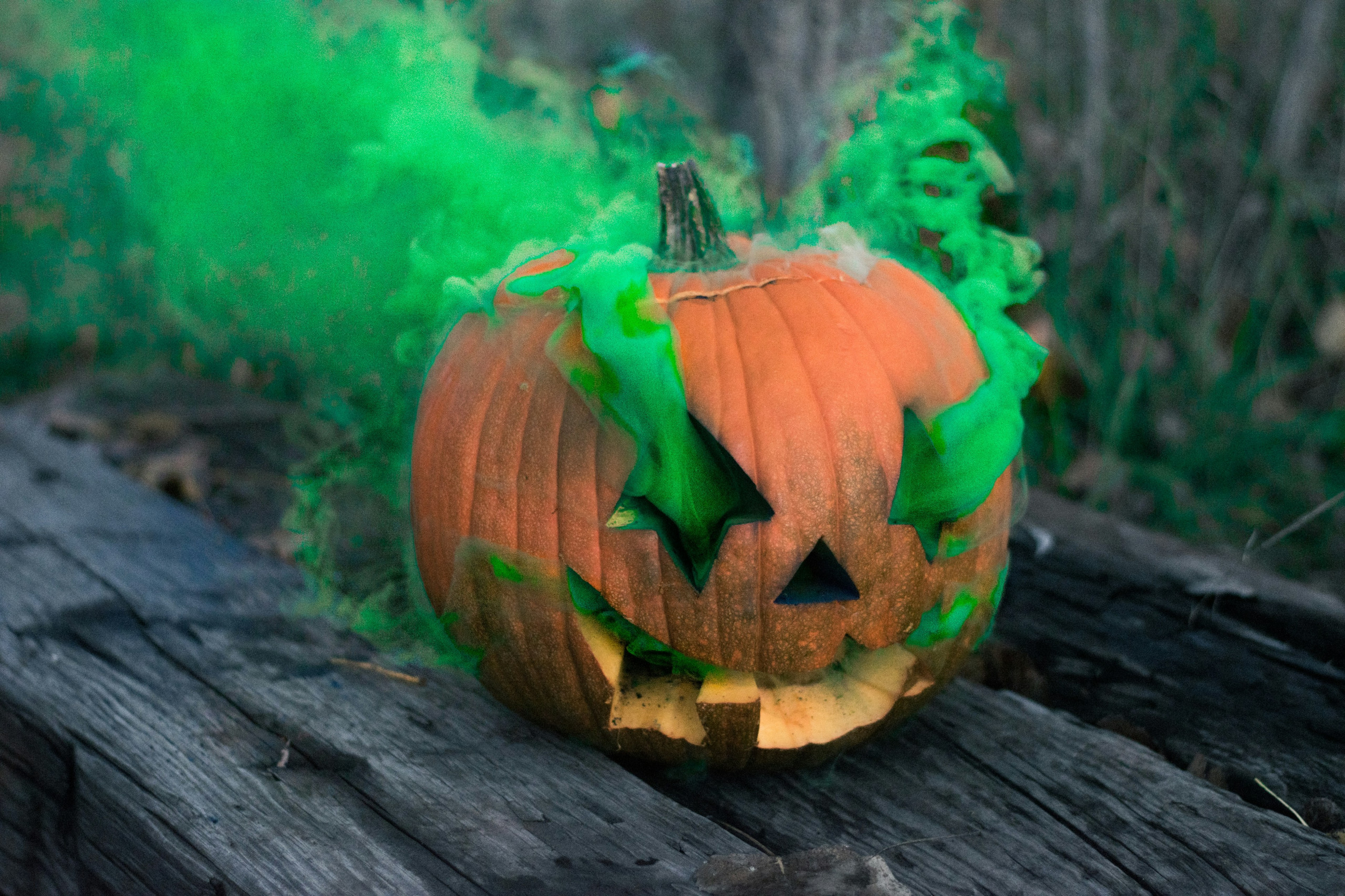
From bubbling witches’ potions and exploding pumpkin volcanoes to dancing ghosts and mysterious colour-changing experiments, there are plenty of ways to turn Halloween into an exciting learning experience.
Whether you’re a parent, teacher, nursery practitioner or children’s activity provider, these Halloween science experiments for kids are designed to encourage curiosity, creativity and problem-solving.
The best part? Many of these activities use simple household materials, making them ideal for Halloween parties, classroom lessons and half-term entertainment.
At Club Hub UK, we love helping families discover fun, educational activities that encourage children to learn through play.
In this article:
- Create a Bubbling Witches’ Potion
- Make a Pumpkin Volcano
- Try the Dancing Ghost Experiment
- Create Spooky Slime
- Make a Floating Ghost Experiment
- Explore Colour-Changing Halloween Potions
- Try a Halloween Sink or Float Experiment
- Build a Spooky STEM Structure
Here are 8 spooktacular Halloween science activities for kids to try this October!
1. Create a Bubbling Witches’ Potion
One of the most popular Halloween science activities for kids is creating a bubbling witches’ potion.
This exciting experiment uses a simple chemical reaction to produce fizzing bubbles that look like a magical potion.
You will need:
- A plastic cauldron or large container.
- Bicarbonate of soda.
- White vinegar.
- Food colouring.
- Washing-up liquid.
- A tray to catch spills.
How to make a bubbling witches’ potion:
- Place your cauldron on a large tray.
- Add two tablespoons of bicarbonate of soda.
- Mix in a few drops of food colouring.
- Add a small squirt of washing-up liquid.
- Slowly pour in some vinegar.
- Watch as the potion begins to bubble and fizz!
What’s the science behind it?
When bicarbonate of soda reacts with vinegar, it produces carbon dioxide gas.
The gas creates bubbles, while the washing-up liquid helps trap the gas and create a foamy eruption.
Learning benefits:
- Introducing simple chemical reactions.
- Encouraging observation.
- Exploring cause and effect.
- Developing curiosity and scientific thinking.
This activity is ideal for preschoolers and primary school children with adult supervision.
Always use an open container, avoid contact with eyes and remind children that the potion is not for drinking.
2. Make a Pumpkin Volcano
Turn an ordinary pumpkin into a spooky science experiment with this exciting Halloween volcano activity.
A pumpkin volcano combines Halloween creativity with a simple chemical reaction.
You will need:
- A small hollowed-out pumpkin.
- Bicarbonate of soda.
- White vinegar.
- Orange or green food colouring.
- Washing-up liquid.
- A large tray.
How to make a pumpkin volcano:
- Ask an adult to cut open and hollow out the pumpkin.
- Place the pumpkin on a tray.
- Add two tablespoons of bicarbonate of soda.
- Add a few drops of food colouring.
- Mix in a small amount of washing-up liquid.
- Slowly pour in vinegar.
- Watch the colourful foam erupt from the pumpkin!
What’s the science behind it?
The reaction between bicarbonate of soda and vinegar produces carbon dioxide gas.
The bubbles push the coloured foam upwards, creating a miniature eruption.
Learning benefits:
- Understanding basic chemical reactions.
- Exploring cause and effect.
- Practising observation.
- Encouraging predictions.
Ask children what they think will happen before adding the vinegar.
Older children could experiment with different amounts of ingredients to see how the reaction changes.
Adults should handle all pumpkin carving and cutting.
3. Try the Dancing Ghost Experiment
This spooky science experiment uses static electricity to make a lightweight paper ghost move.
It’s a brilliant Halloween STEM activity for kids because it introduces children to forces they cannot see.
You will need:
- Tissue paper.
- Child-safe scissors.
- A balloon.
- A flat surface.
How to make a dancing ghost:
- Cut a small ghost shape from lightweight tissue paper.
- Place the ghost on a dry, flat surface.
- Inflate a balloon and tie it securely.
- Rub the balloon against a woollen jumper or dry hair.
- Slowly move the balloon close to the ghost.
- Watch the ghost lift or move towards the balloon!
What’s the science behind it?
Rubbing the balloon transfers electric charge, creating static electricity.
The charged balloon can attract the lightweight tissue paper, making it appear as though the ghost is moving by magic.
Learning benefits:
- Introducing static electricity.
- Exploring invisible forces.
- Encouraging predictions.
- Developing observation skills.
This experiment works best in dry conditions.
Keep balloons and broken balloon pieces away from young children, as they can be a choking hazard. For toddlers, choose a different activity.
4. Create Spooky Slime
Slime is a popular sensory activity that can also introduce children to interesting scientific ideas about materials and their properties.
For a Halloween twist, make a spooky slime using green, orange or purple colours.
You will need:
- Cornflour.
- Water.
- Food colouring.
- A mixing bowl.
- A spoon.
How to make spooky slime:
- Add approximately two cups of cornflour to a bowl.
- Slowly mix in around one cup of water.
- Add a few drops of Halloween-themed food colouring.
- Stir until the mixture becomes thick.
- Explore how the mixture behaves when squeezed or allowed to flow.
Adjust the quantities until you achieve the right consistency.
What’s the science behind it?
This mixture is often called oobleck.
It’s a non-Newtonian fluid, which means its viscosity changes depending on the force applied.
When you squeeze or tap it quickly, it can behave more like a solid. When you let it flow slowly, it behaves more like a liquid.
Learning benefits:
- Exploring material properties.
- Developing sensory awareness.
- Encouraging experimentation.
- Practising observation and descriptive language.
Ask children whether the mixture feels more like a solid or a liquid.
Although the ingredients are commonly used in cooking, this activity is not intended for eating. Supervise children and check for sensitivities to the materials.
For children who love hands-on experiments, explore science and STEM activities for kids through Club Hub UK.
5. Make a Floating Ghost Experiment
This simple experiment uses air movement to make a paper ghost appear to float.
It’s a fun way to explore how air can move lightweight objects.
You will need:
- Tissue paper.
- A paper ghost template.
- Child-safe scissors.
- A handheld fan or a small electric fan.
- A clear space.
How to make a floating ghost:
- Cut a small ghost shape from tissue paper.
- Decorate it with a simple face.
- Hold the ghost above a gentle upward airflow.
- Release it carefully.
- Watch how the moving air affects the ghost.
- Experiment with different paper sizes and shapes.
What’s the science behind it?
Moving air exerts a force on the paper.
When the upward force from the airflow is strong enough, it can temporarily support the lightweight ghost against gravity.
Learning benefits:
- Exploring air movement.
- Introducing forces and gravity.
- Comparing shapes and materials.
- Encouraging scientific predictions.
Ask children whether a larger or smaller ghost will float more easily.
Use only a child-safe fan with a protective grille, and keep loose paper away from the fan blades.
6. Explore Colour-Changing Halloween Potions
A colour-changing potion is a fascinating Halloween science experiment for kids that introduces the idea of acids, alkalis and indicators.
This experiment uses red cabbage water, which changes colour when mixed with different substances.
You will need:
- Red cabbage.
- Warm water.
- Clear cups.
- Lemon juice.
- Bicarbonate of soda mixed with water.
- A spoon.
How to create a colour-changing potion:
- Ask an adult to prepare red cabbage indicator water by soaking chopped cabbage in hot water and allowing it to cool completely.
- Strain the liquid into a jug.
- Pour equal amounts into clear cups.
- Add a little lemon juice to one cup.
- Add bicarbonate of soda solution to another cup.
- Compare the different colours.
What’s the science behind it?
Red cabbage contains natural pigments called anthocyanins.
These pigments change colour depending on whether a substance is acidic, neutral or alkaline.
Lemon juice is acidic and usually turns the indicator pink or reddish, while bicarbonate of soda solution is mildly alkaline and can turn it blue or green.
Learning benefits:
- Introducing acids and alkalis.
- Exploring colour changes.
- Encouraging comparisons.
- Developing scientific vocabulary.
Older children could record their observations in a simple experiment chart.
Adults should prepare the hot water and ensure the indicator has cooled before children use it. Never taste experiment mixtures.
7. Try a Halloween Sink or Float Experiment
A Halloween sink or float experiment is a brilliant way to introduce younger children to scientific predictions.
This activity can be adapted for toddlers, preschoolers and primary school children using age-appropriate objects.
You will need:
- A clear bowl or container of water.
- A small pumpkin.
- A plastic spider or other suitable Halloween toy.
- A cork.
- A large stone.
- Other waterproof objects.
How to play:
- Fill a clear container with water.
- Show children the different objects.
- Ask them to predict whether each object will sink or float.
- Carefully place each object into the water.
- Observe what happens.
- Compare the results with the predictions.
What’s the science behind it?
Whether an object sinks or floats depends on its overall density compared with water and the buoyant force acting on it.
Some objects float even when they’re relatively heavy because their overall structure allows them to displace enough water.
A pumpkin, for example, will often float because of its overall density and internal structure.
Learning benefits:
- Making predictions.
- Developing observation skills.
- Exploring floating and sinking.
- Encouraging problem-solving.
For older children, create a table to record which objects sink and which float.
Always supervise water play closely and avoid small objects with children who may put them in their mouths.
8. Build a Spooky STEM Structure
Halloween science doesn’t always have to involve bubbling potions!
A spooky construction challenge is a fantastic way to encourage engineering, creativity and problem-solving.
Challenge children to build the tallest haunted tower or strongest spooky bridge using simple materials.
You will need:
- Building blocks.
- Cardboard.
- Paper cups.
- Craft sticks.
- Tape.
- Halloween decorations.
How to organise a spooky STEM challenge:
- Give children a selection of building materials.
- Challenge them to design a haunted tower or bridge.
- Encourage them to plan their structure.
- Build the design.
- Test whether it stands securely.
- Make improvements if the structure falls over.
What’s the science behind it?
Engineering challenges introduce children to ideas about balance, stability, forces and structural design.
Children can experiment with different shapes and supports to discover which structures are stronger.
Learning benefits:
- Developing problem-solving skills.
- Encouraging teamwork.
- Exploring engineering concepts.
- Building resilience and creativity.
For younger children, use large building blocks.
Older children might enjoy adding extra challenges, such as building a bridge that can hold a small toy pumpkin.
Discover more educational activities and children’s clubs near you through Club Hub UK.
Halloween Science Activities for Different Age Groups
Halloween science experiments can be adapted to suit different ages, abilities and interests.
Halloween Science Activities for Toddlers (Ages 1–3)
Toddlers may enjoy:
- Simple sink or float activities using large objects.
- Exploring pumpkins with adult supervision.
- Water play with suitable containers.
- Watching safe, adult-led bubbling experiments.
- Exploring different colours and textures.
Keep activities short and avoid small objects, balloons and unsuitable chemicals.
Halloween Science Activities for Preschoolers (Ages 3–5)
Preschool children may enjoy:
- Bubbling witches’ potions.
- Pumpkin volcanoes.
- Sink or float experiments.
- Spooky cornflour slime.
- Simple construction challenges.
Encourage children to describe what they can see and make predictions.
Halloween Science Activities for Primary School Children (Ages 5–11)
Older children may enjoy:
- Static electricity experiments.
- Colour-changing potions.
- Pumpkin volcanoes.
- Engineering challenges.
- Investigating floating and sinking.
- Comparing different experiment results.
Encourage children to ask questions, test ideas and record their observations.
Why Are Halloween Science Activities Good for Kids?
Halloween science activities combine creativity, experimentation and learning through play.
Benefits of Halloween STEM activities can include:
- Scientific curiosity: Encouraging children to ask questions.
- Problem-solving: Exploring different ways to complete challenges.
- Observation: Noticing changes and comparing results.
- Creativity: Combining imaginative Halloween themes with experiments.
- Communication: Discussing predictions and discoveries.
- Confidence: Trying new activities and learning through mistakes.
- Fine motor skills: Pouring, mixing, building and handling materials.
Hands-on experiments can help children understand scientific concepts in memorable and enjoyable ways.
Halloween Science Safety Tips for Parents and Activity Providers
Before organising Halloween science experiments, it’s important to consider children’s ages and abilities.
Helpful safety tips include:
- Always supervise children during experiments.
- Choose age-appropriate materials.
- Keep chemicals and experiment mixtures away from eyes and mouths.
- Never mix household cleaning products.
- Avoid small objects that could be choking hazards.
- Ask adults to handle cutting tools and hot water.
- Use open containers for bubbling reactions.
- Check for allergies and sensitivities.
- Protect surfaces and clean up spills promptly.
For nurseries, schools and children’s activity providers, follow your organisation’s risk assessment and safeguarding procedures.
Frequently Asked Questions About Halloween Science Activities
What are the best Halloween science activities for kids?
Some of the best Halloween science activities include bubbling witches’ potions, pumpkin volcanoes, dancing ghosts, spooky slime, colour-changing potions, sink or float experiments and Halloween STEM building challenges.
What Halloween science experiments can preschoolers do?
Preschoolers can enjoy supervised bubbling potions, pumpkin volcanoes, cornflour slime, sink or float experiments and simple building challenges.
How do you make a Halloween science potion?
Add bicarbonate of soda, food colouring and a little washing-up liquid to an open container. Slowly pour in vinegar to create a bubbling reaction caused by carbon dioxide gas.
What are some easy Halloween STEM activities?
Easy Halloween STEM activities include building haunted towers, creating paper ghosts using static electricity, experimenting with floating pumpkins and exploring colour changes using red cabbage indicator.
Can you do Halloween science activities at home?
Yes! Many Halloween science experiments use everyday household materials such as bicarbonate of soda, vinegar, cornflour, paper and water. Always supervise children and follow appropriate safety precautions.
Discover More Science and STEM Activities for Kids with Club Hub UK
Halloween is a fantastic opportunity to combine spooky celebrations with hands-on learning.
From bubbling potions and pumpkin volcanoes to dancing ghosts and creative engineering challenges, there are so many exciting Halloween science activities that encourage children to experiment, explore and have fun.
At Club Hub UK, we’re passionate about helping families discover exciting children’s clubs, classes and activities across the UK.
Whether your child enjoys science and STEM workshops, creative activities, educational clubs or half-term activities near you, our directory can help you find new experiences.
Looking for more exciting activities for your little scientist?